
EXHAUSTED, BUT STILL PERFORMING?
Always ‘On’. Always drained.
A guide back to yourself.
Tired is not just tired!
If you wake up tired. If coffee can’t pull you out.
If your body stiffens, your mind blanks – this isn’t laziness.
It’s not you. It’s a system built to drain, not sustain.
You’re living in exhaustion by how the world is designed:
workplaces, devices, routines that demand you move faster than life moves.
Is hyper-productivity is your power or your silent burnout trap?
We are immersed in eras of hyper-productivity, glorifying overwork as creative virtue. Sleep, rest, ritual – those things are dismissed and infantilized, often until breakdown arrives. And when it does, it doesn’t always come loud.
Burnout.
Autoimmune flares.
Chronic pain.
Different names, same root.
Sometimes it shows up as brain fog that won’t lift. A constant ache behind your eyes. A strange disconnection between your voice and your thoughts, like you’re watching life happen in a room you’re not really in. But true care is the slow, botanic kind that restores your nervous system and doesn’t fit the algorithm. It doesn’t boost GDP. It doesn’t make you post more, buy more, produce more.
So we learn to override our signals.
Tired? You must need more caffeine. Unmotivated? Time to download a new habit tracker. Falling asleep at your desk? That’s just life. Keep pushing.
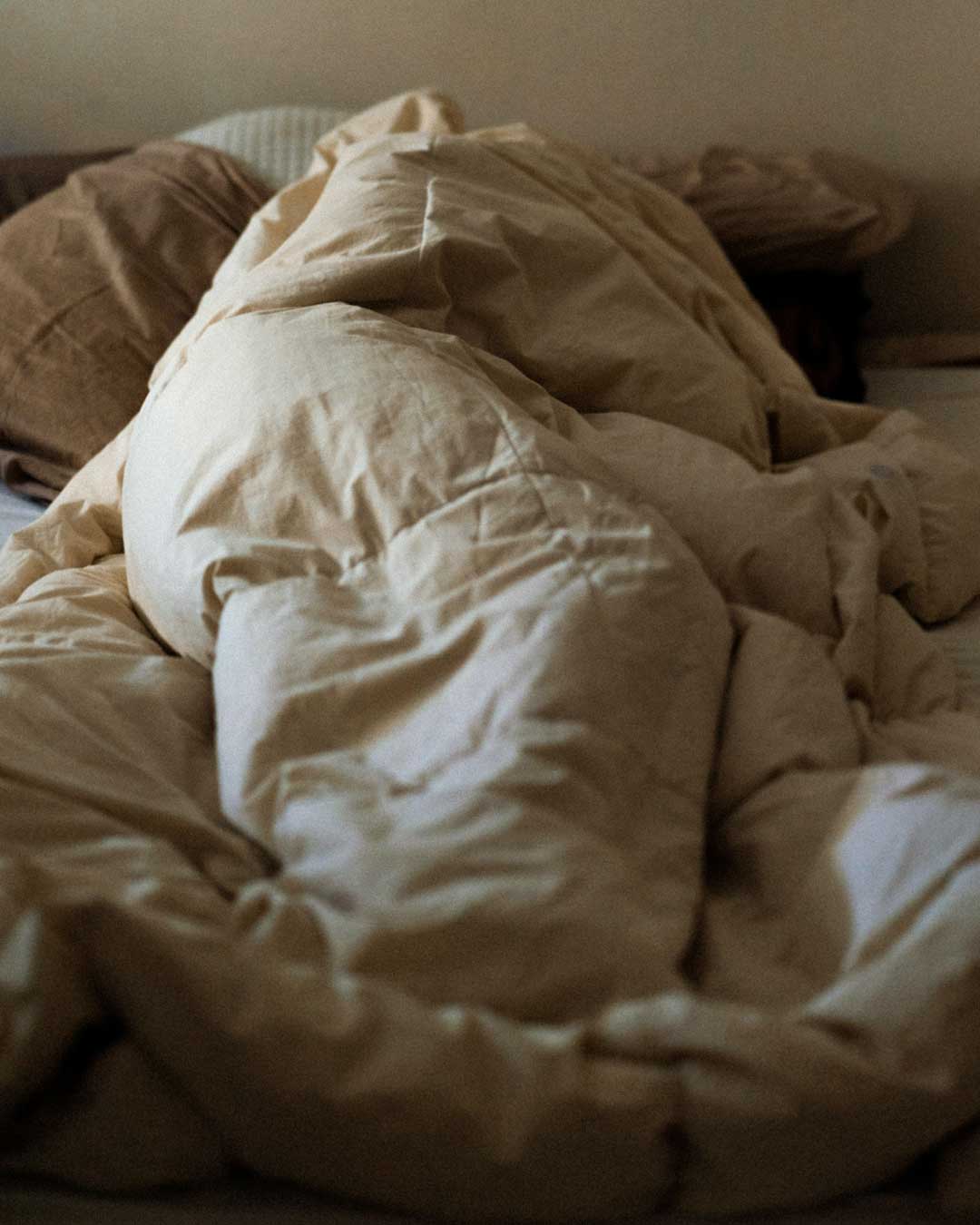
But here’s the truth: We are not machines. We are ecosystems.
And ecosystems can’t be optimized. They need to be cared for.
Your body is not lazy.
Your rhythms are not flawed.
They’re natural. Ethical. Intelligent.
What’s unnatural is the way we’ve been taught to live. Under artificial lights from morning until midnight. Eating food that doesn’t nourish. Sitting in positions that compress the spine, the belly, the breath. Performing enthusiasm when you’re quietly collapsing inside.
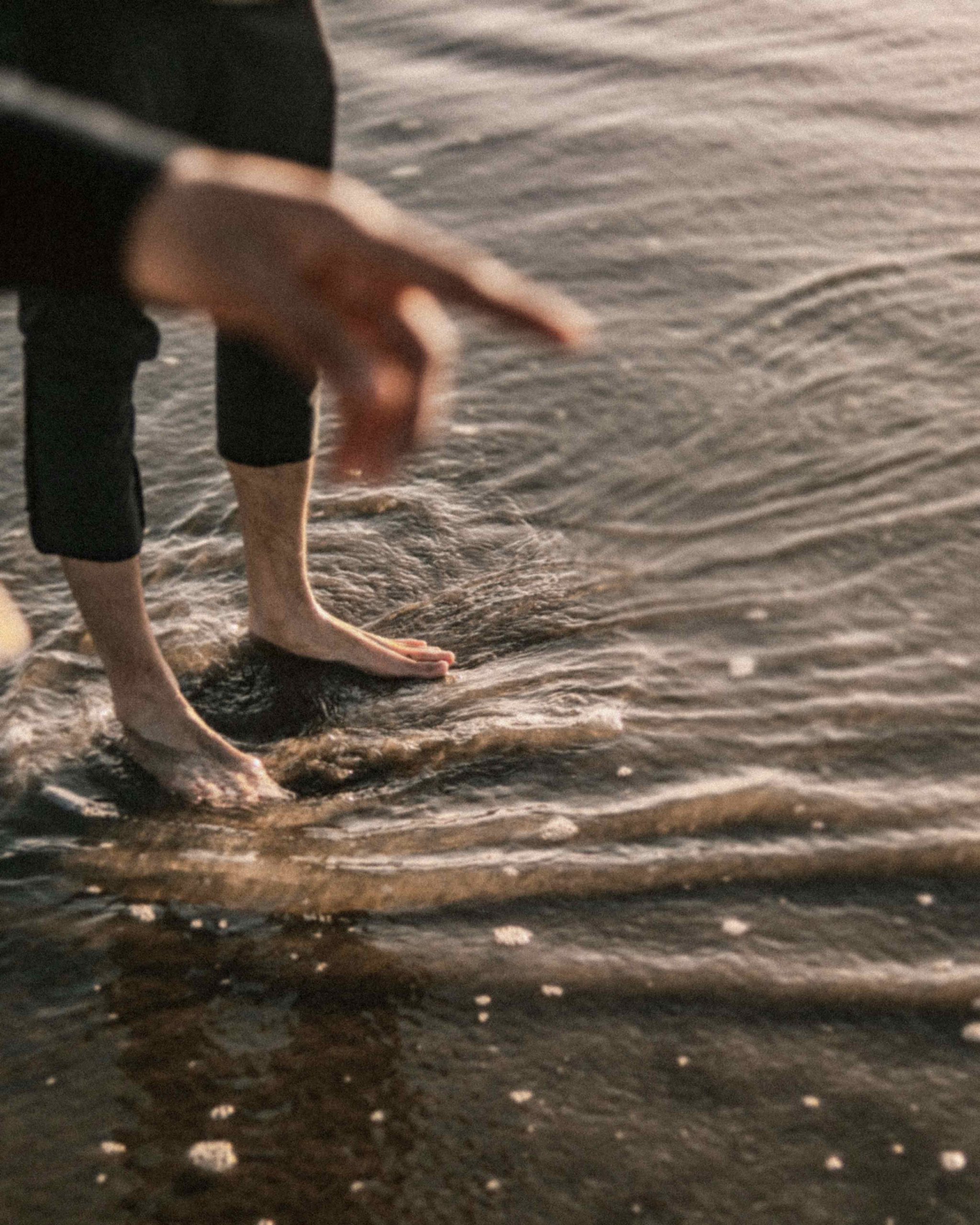
They followed the sun, their bodies, the season.
Every day.
The myth of the ‘Strong One’.
Fatigue as a cultural script. You’ve been taught to endure. To push through. To “show up” no matter what it costs you. We’ve been raised inside cultures that reward collapse. Where the tiredest person in the room is often seen as the most dedicated.
Hyper-productivity is a myth.
A dangerous one.
“Strong ones” often carry invisible exhaustion. They don’t ask for help. They absorb everyone else’s emotions. They stay silent when they should rest. What we consume – sounds, conversations, content, chemicals – either nourishes or overwhelms our system.
Fatigue doesn’t live in your body alone. It feeds on your environment. Scroll cycles. Fluorescent lights. Slack notifications. Emotional labor. Emptied fridges. Overscheduled evenings. You can’t feel restored if you’re absorbing noise all day. Are you one of these invisible – consciously or unconsciously?
These are not small things. They’re slow leaks.Your calendar isn’t full of life – it’s full of obligations. Your phone isn’t rest – it’s stimulation. Your work chair isn’t “supportive” – it collapses your spine. And it’s costing you your joy, your immunity, your inner sense of safety.
When exhaustion is normalized, it hides in plain sight:
silent, spreading, invisible.
We’ve been sold a pace that erodes our softness. A version of life where beauty is scheduled, and rest is earned.
15 Signs you’re experiencing chronic fatigue
- You wake up more tired than when you went to bed, even after 7–8 hours of sleep.
- You need caffeine to function, not just enjoy.
- Your energy crashes between 2–4pm daily.
- You’re “on” all day, but can’t remember anything you did.
- You feel low-grade irritability in your bones.
- Rest doesn’t feel like rest (*even weekends feel wired). It feels boring, not nourishing.
- You scroll without focus, but can’t stop.
- You flinch when your phone lights up.
- You can’t remember the last time you ate without multitasking.
- You feel guilty for doing nothing, even when your body is begging.
- Your skin feels sensitive, your body achy, even without illness.
- Your body aches, especially neck, shoulders, and jaw.
- You feel emotionally numb or hypersensitive. You cry easily or can’t cry at all.
- You feel a sharp panic when the calendar fills up.
- You eat fast, not because you’re hungry, but because there’s no time.
- You cancel plans not out of laziness, but survival.
- Even joy feels like a performance. Share-alike.
- You experience brain fog, forgetfulness, or zoning out.
- You dread tasks you used to enjoy.
If you tick at least 3 of these, your exhaustion might be more than “just tired” and already be living in depletion mode. This isn’t about being over-dramatic, but about becoming honest with what your body knows, even if your mind has learned to override it.
Breaking the script isn’t weakness.
It’s wisdom. When your body is trying to speak, exhaustion is its language.
This isn’t personal failure.
It’s how modern life is designed.
What if self-care wasn’t a reward, but a return? A return to breathing with awareness. To letting your senses lead. To remembering that your skin, your bones, your brain – they were all made to move with natural cycles, not notifications. The result of ignoring this truth isn’t just tiredness.
It’s disconnection.
From joy.
From vitality.
From yourself.
Grow step by step.
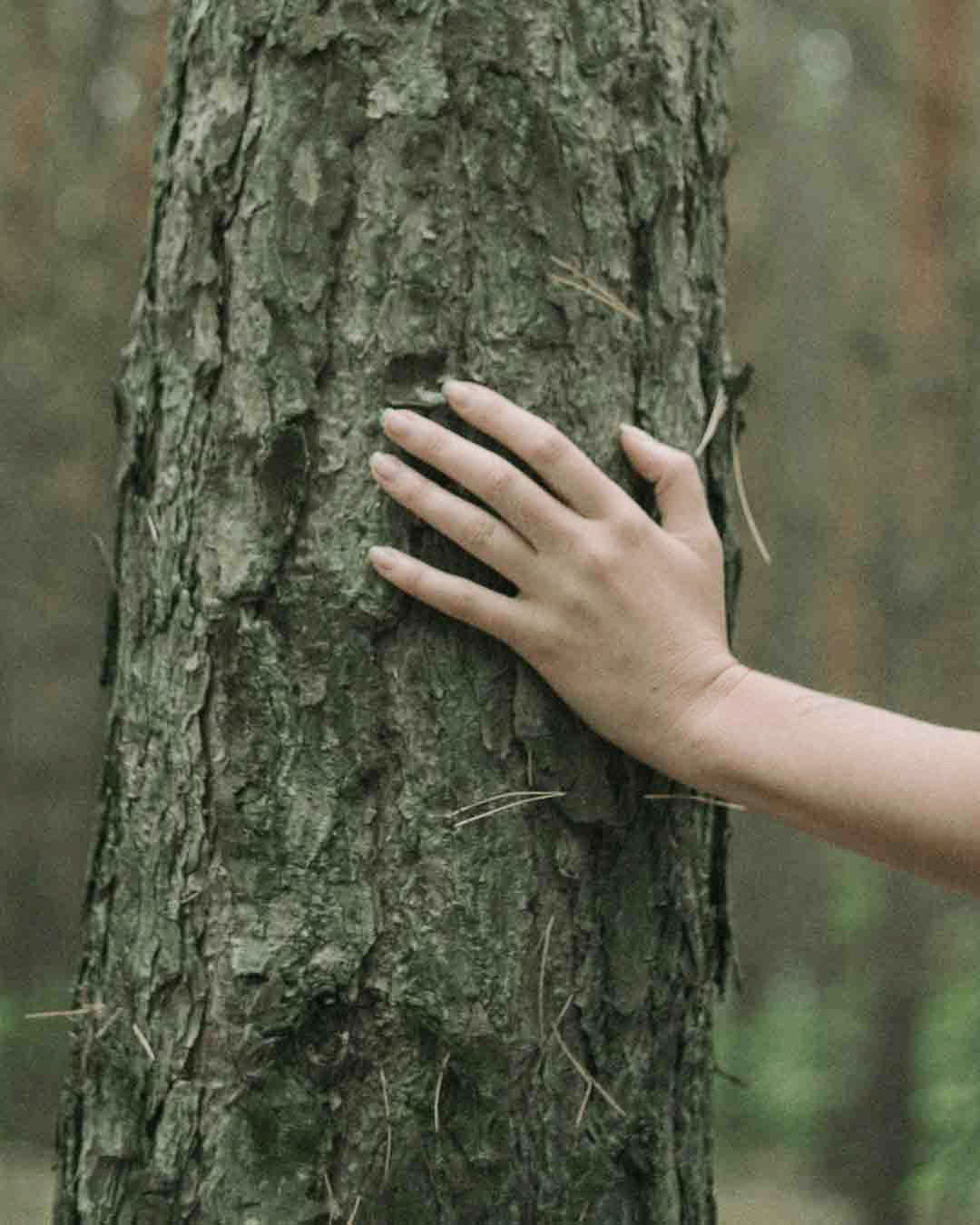
What you see, touch, hear.
It matters.
Where to start when you’re already too tired to start?
So how do you begin? Not with a to-do list (we’ve done it for you), but with subtraction. Following the 3×3 principle: no overwhelm, no pressure. Just a gentle palm on your shoulder. A reminder: you get to begin again.
These are not aesthetic tips.
They are body rhythms.
They regulate hunger, mood, and rest.
Step 1: Start by removing what overstimulates:
- Spend 15 minutes daily in silence, no tasks. Start with your sensory inputs.
What you see, touch, hear. It matters. Sit by a window. Feel the sun on your face. Walk slowly without headphones. Let your breath move without control. Just observe. - Say no to one thing per day. That event. That email. That unnecessary meeting. Reclaim 30 minutes of your life – every day.
- Log out of one app for a week. Choose the one that hijacks your nervous system the fastest. Instagram? Slack? News? Log out. Breathe. You won’t miss the noise.
Step 2: Add with intention
- Movement. Gentle walks, especially after meals. Stretching at dusk. No goals. No apps. No metrics. Just gravity, rhythm, and presence.
- Sensory Reset. Prioritize natural light during the first and last hour of your day. Dim all lights after 8PM. Use essential oils like lavender, cedar, or neroli. Just a drop on your wrists or pillow can signal calm. Drink herbal teas that ground you: tulsi, lemon balm, chamomile.
- Tactile Grounding. Your skin is a sensory organ. Let it feel. Linen sheets. Cold ceramic mugs in the morning. Soft moss underfoot, if you find it. Warm wood tables. These are not luxuries. They’re nervous system care.
Step 3: Rethink Your Environment
- Dedicate one place in your home to be free of stimulation. No screens, no tasks. Just stillness. This could be a chair near a plant. A mat by the window. A corner with a candle.
- Use natural materials (wood, clay, linen, plants). They regulate your nervous system and reconnect you with the earth.
- Create a safe space for meals. One of the most harmful habits in city life is eating standing up or while scrolling. Here’s what happens: your brain doesn’t register the meal. It doesn’t send signals to your stomach. Hormonal communication breaks. You finish your meal unsatisfied. Still hungry. Still rushing. Eat seated, without screens. Use a ceramic plate, not plastic. Give yourself 20 – 30 minutes. Take a few breaths before and after.
Be warrior of wellness-as-performance.
Important: start small.
Grow step by step.
No tracking.
No metrics.
Ask yourself: Do you really need to track your steps?
Or what you really need… is to stop measuring yourself entirely?
Our grandparents didn’t count calories.
They didn’t log hydration in an app.
They followed the sun, their bodies, the season.
Daily gestures for deep repair
Morning without screens: light a candle, play music, open the window, journal. 15 minutes is enough.
Eat one meal a day without distraction. Chew. Taste. Be where your food is.
Swap one coffee for an herbal infusion (lemon balm, nettle, lavender are natural nervous system allies).
Say no to obligation-only plans. You’re allowed to choose where your energy goes.
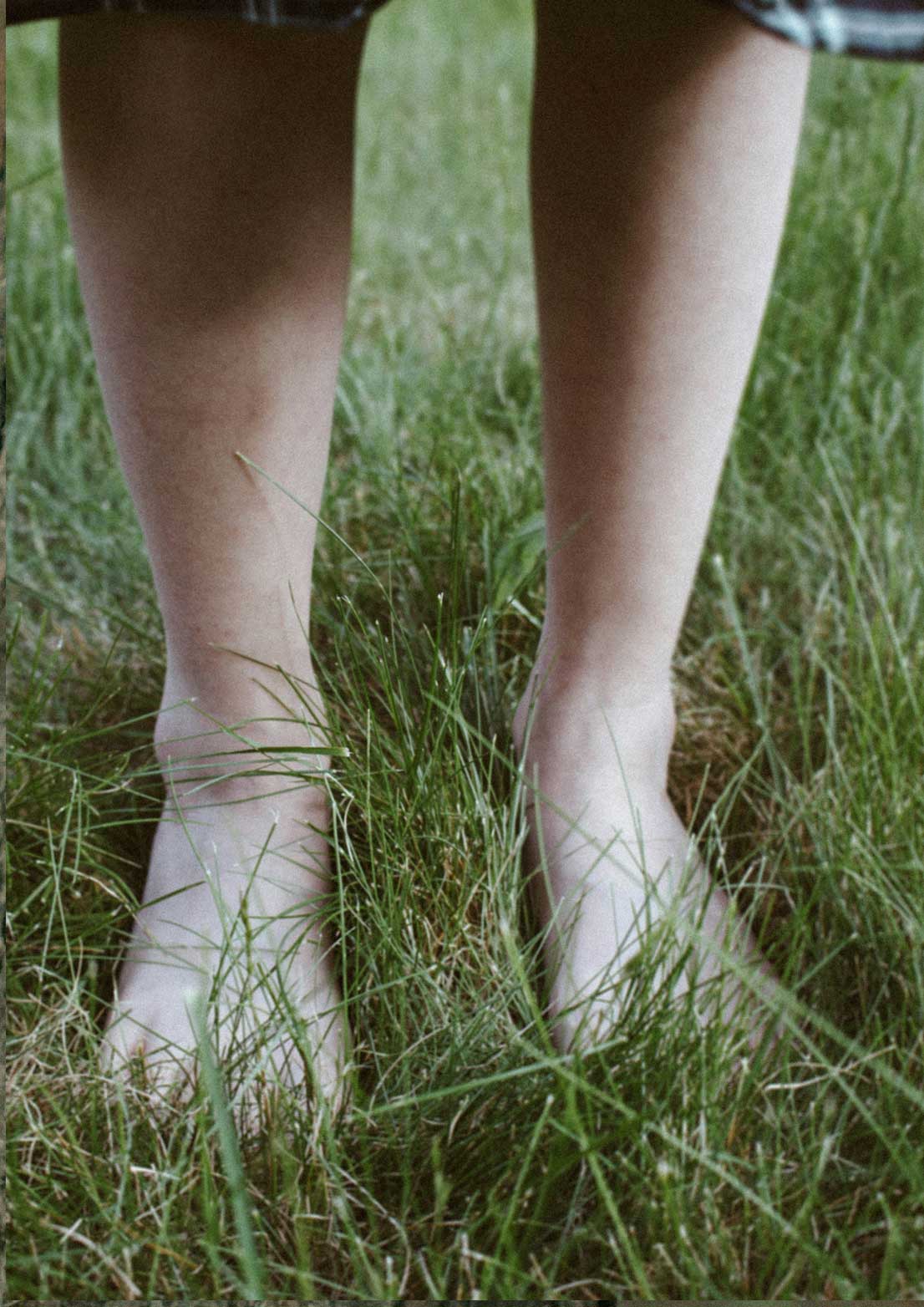
Touch the earth, even briefly. Take off your shoes. Stand on grass, soil, or stone. Let your body remember what grounding feels like.
This is where healing begins. This is how you make space for energy to return.
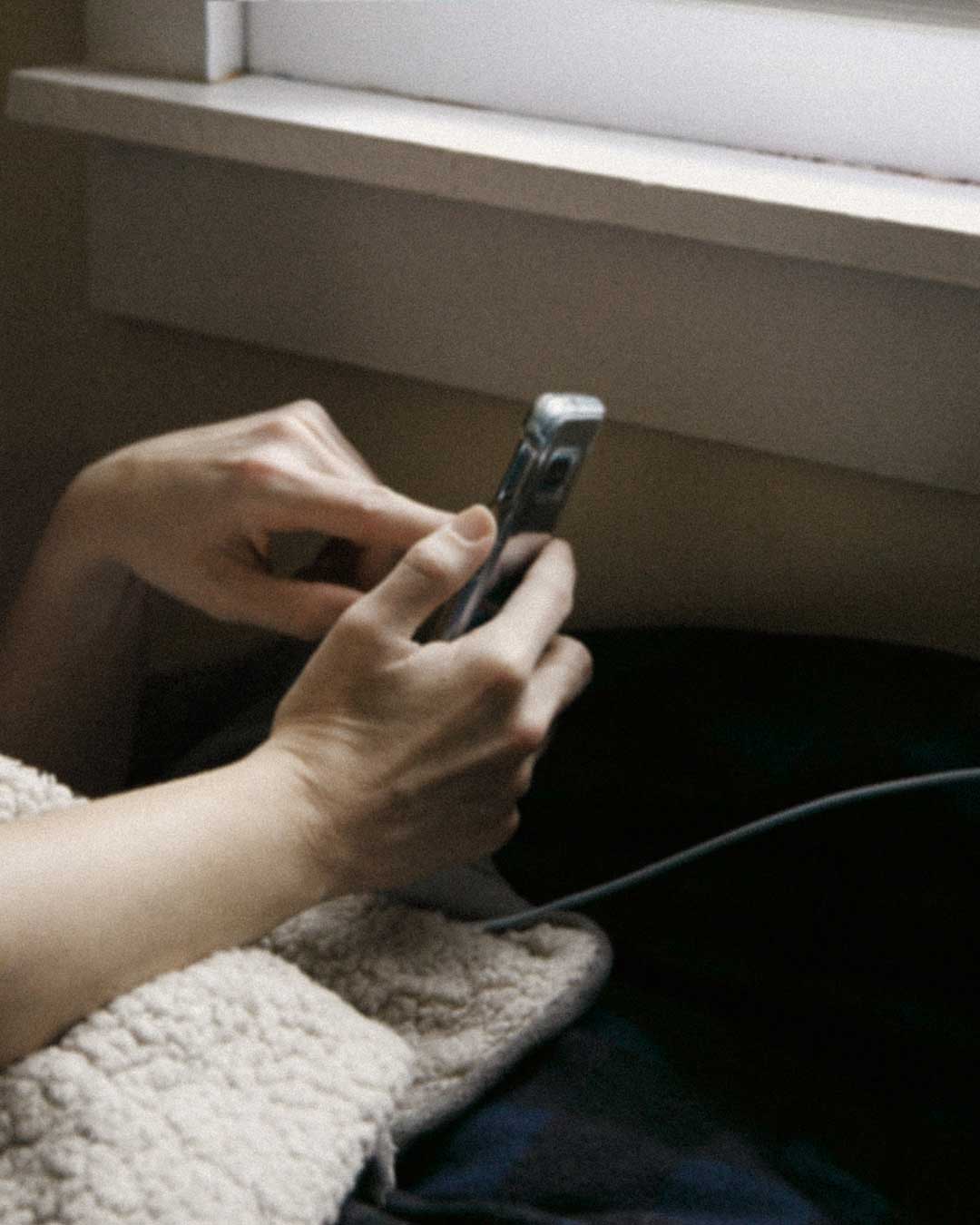
Breathe.
You won’t miss the noise.
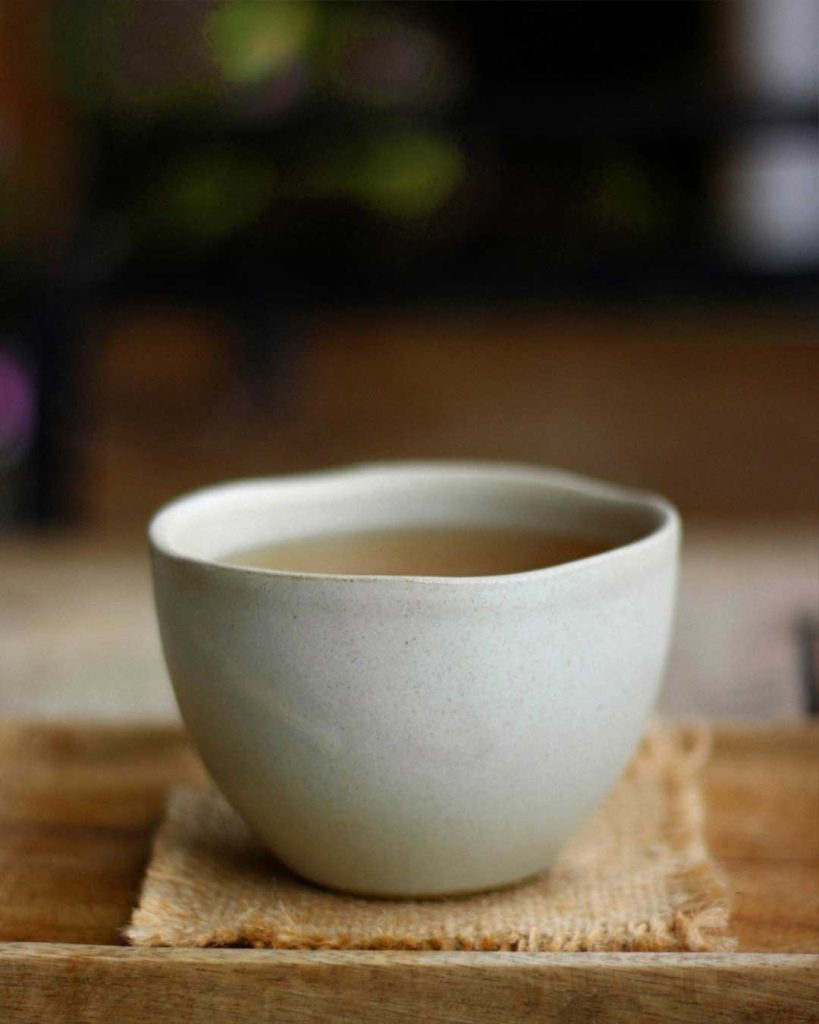
at least once a day. Let warmth arrive gently, not urgently.
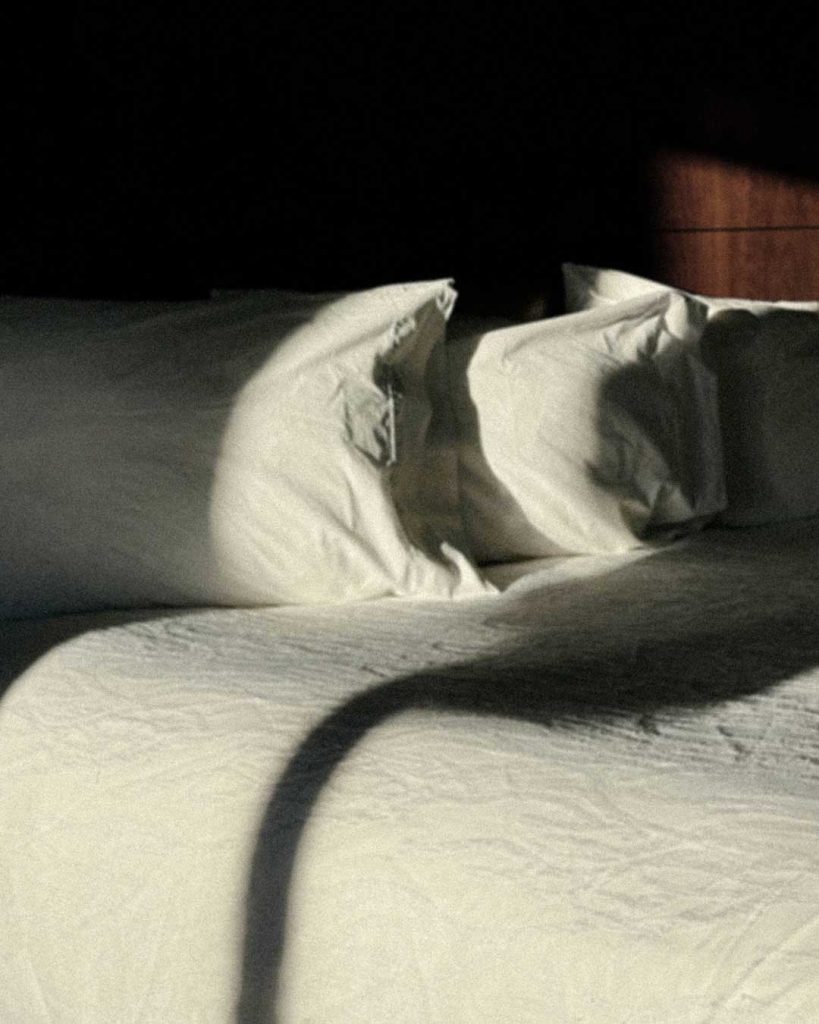
Our team best tips on every day small self-care rituals
💚 After Work? Don’t go straight to cooking or scrolling.
“After work, instead of heading straight into cooking or checking your phone, pass by a green space.
Let it be 10 minutes. Put your phone in airplane mode. Breathe, look, listen. Notice texture, wind, bark. Avoid playgrounds and social hotspots. Seek quiet, green, low-sound environments. You’ll see: a 5-day practice can make a big change.”🔥🌊 15 minutes of nothing.
“No tasks. No input. In some traditions, it’s fire-gazing. In others, watching water. If you’re contemplative, close your eyes and sit in silence. Let this time be fully yours: no goals, just presence.“🫖 Warm your food. Warm your body.
“Eat soups, roasted vegetables, stews—especially at night.
Cold meals activate cortisol. Warm meals bring comfort.”
🌿 Touch and feel.
“As children, we discover the world through our senses. We run our hands through sand, crush petals, press our faces into soft textures. But adulthood flattens that sensory palette. We stop touching the world, and it stops touching us back. Emotional numbness often begins with physical disconnection. The good news? You can reawaken your sensory memory. Reach for linen instead of plastic fibers. Sip spicy herbal tea and feel it travel down. Touch pine wood. Let it warm your skin with something ancient. Let textures, temperatures, and scents return you to your body. To feel deeply again, you must first feel simply.”
It sounds small.
But you’re re-training your nervous system.
Reclaiming your pace.
Reclaim your energy back
Most of us were taught to earn rest. Finish the task. Clear the inbox. Be productive, then pause. But the truth is this: you’re already overdrawn. The more tired you are, the harder it becomes to discern your own limits.
We don’t need permission to rest. We need practice. When you rest, you are not quitting life. You’re choosing to stay in it in a way that’s sustainable. When you’re deep in fatigue, even joy feels unreachable.
But beauty, real beauty – the kind that doesn’t demand or sell – is part of your healing.
You don’t have to seek it.
You just have to let it land.
Look at the sky. Smell the herbs as you cook. Watch how wind moves through trees. Notice how steam rises from your mug. This isn’t aesthetic. It’s presence. And it’s the beginning of remembering what it feels like to be alive, not just functioning.
In a culture of overdrive, self-care isn’t considered essential.
It’s repackaged as a luxury. A weekend spa. A scented candle. A quick fix.
But self-care isn’t a spa day.
It’s structure. Pattern. Permission.
Nature doesn’t rush.
She grows, wilts, sleeps, returns on time.
When we lose rhythm, we lose restoration.
Rest isn’t a luxury.
It’s your biological right.

