
WHAT’S IN YOUR PLATE THAT YOU´LL NEVER SEE?
The hidden chemistry of food, fatigue, and the silent erosion of health.
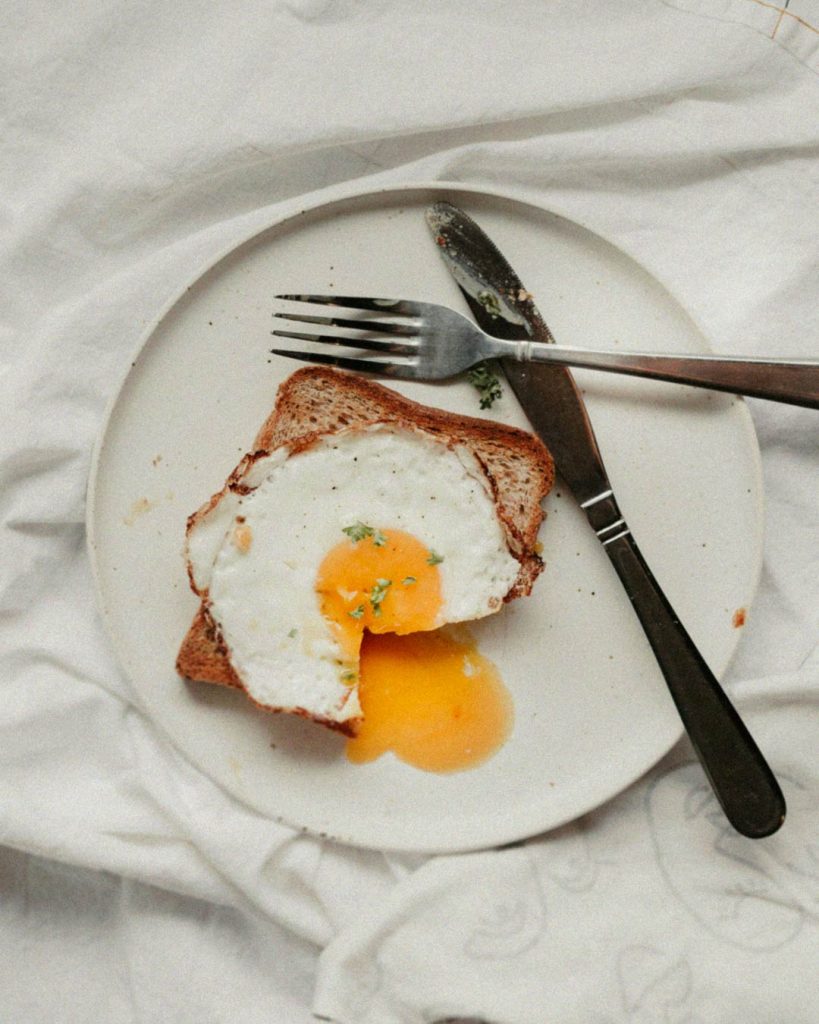
You eat with your eyes closed.
You think you’re eating clean.
Organic label. Natural flavor.
Green packaging that whispers “safe.”
But if you’re tired, foggy, or inflamed – it might not be your schedule.
It might be your plate.
We live in an age where food is engineered, not grown.
Where produce glows under supermarket light, perfect and empty. Where invisible toxins ride inside what we chew, digest, and absorb quietly over time.
From plastic packaging to pesticide residue, synthetic preservatives to emulsifiers that rewrite the gut.
Modern food is not just food anymore.
“Food is medicine. It can be the biggest poison – or the biggest healer.”
Dr. Mark Hyman, functional medicine physician
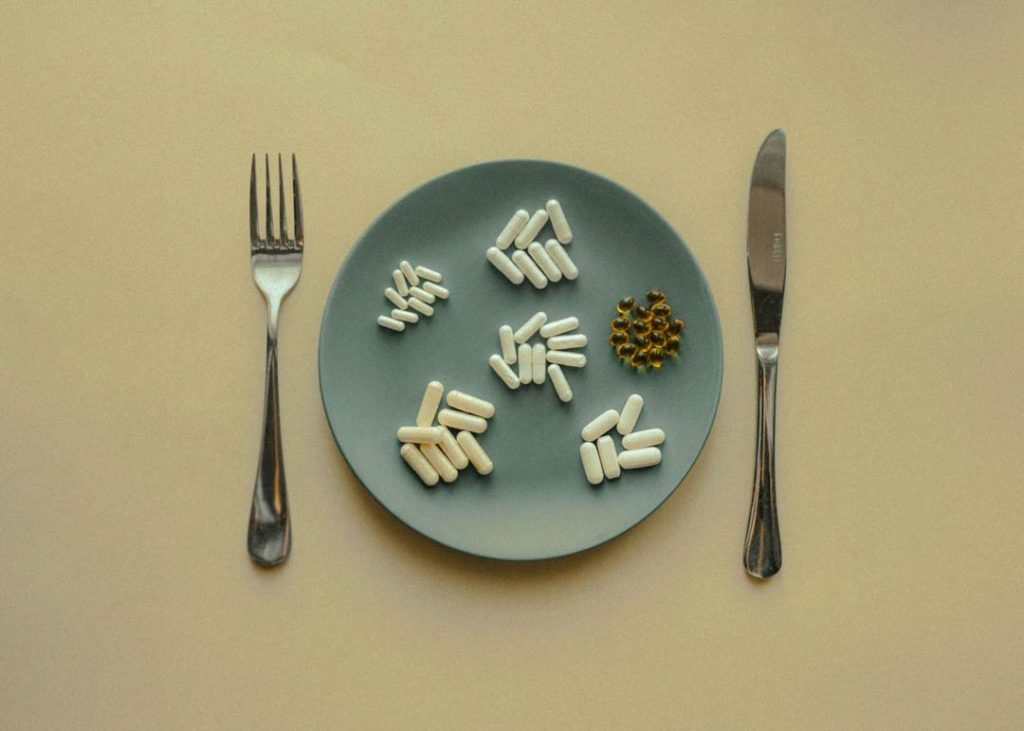
It’s not just what you eat. It’s what your food touched.
From seed to shelf, your food makes contact with a web of invisible agents.
Plastic wraps, cardboard coatings, thermal receipts, ink layers, glues, aluminum linings.
The apple you bit into?
Maybe it never touched a human hand, but it sat in plastic for weeks, absorbing phthalates.
Your tea bag? Sealed with heat-resistant glue that melts into the water.
That “biodegradable” tray? Lined with forever chemicals to keep it leakproof.
It’s the real structure behind how modern convenience is built. Convenience has a cost.
And most of us are paying it through our skin, our gut, our nervous system.
We trust too easily what feels familiar.
Supermarkets are full of clean lines, soft lighting, “natural” tones.
Even ultra-processed meals now wear earth-tone packaging and herbal typefaces.
But design can mislead.
You don’t see the bisphenol A (BPA) in your can of chickpeas.
Or the synthetic estrogens leached into your soup from a recycled lid.
Or the PFAS (so-called “forever chemicals”) lining your compostable take-out box.
“Natural flavor” despite the name, this label may contain up to 90% synthetic or processed chemicals, potentially including allergens even if unlisted. “Butter Flavor” (many microwave popcorns list butter flavor), yet what you’re smelling and tasting may be diacetyl, a synthetic compound linked to lung inflammation with chronic exposure. Colorants like “Red 40” hide behavioral-impairing compounds. Check our Flavour Label Decoder
You can’t taste them.
You can’t smell them.
But your body registers everything.
And no, it’s not just the fast-food eaters or the frozen meal lovers.
Even the most health-conscious consumer is exposed daily through leafy greens wrapped in plastic, oat milk stored in tetra packs, or kombucha capped with industrial sealants.
This is not about guilt. It’s about re-seeing the system.
Because the food system isn’t just broken.
It’s opaque by design.
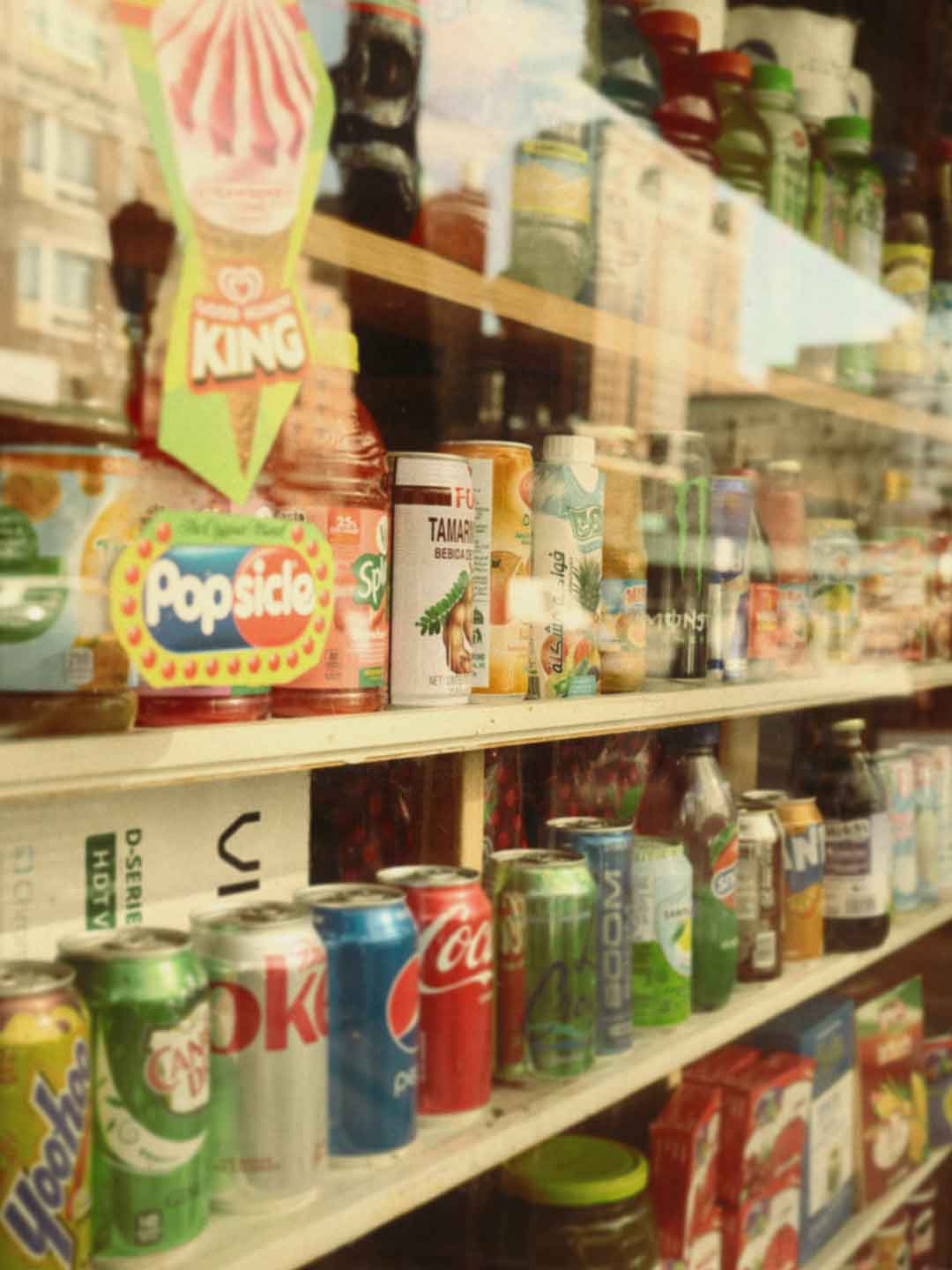
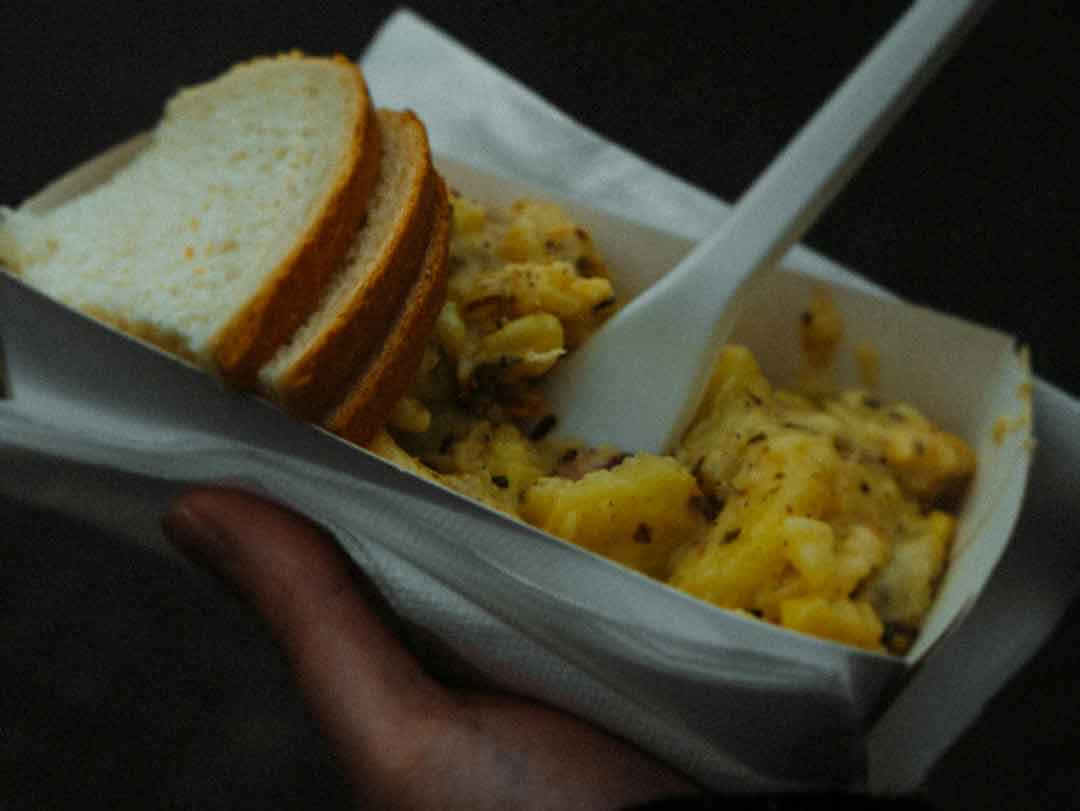
If it’s not visible, it’s not questioned. The logic of absence.
We live in a time where appearance sells certainty.
But the truth? Transparency isn’t a marketing priority. It’s a threat to profit.
“Every day that passes more plastic chemicals enter our bodies through items many consider safe and normal,”
Dr Shanna Swan, reproductive epidemiologist and member of the Plastic Health Council
The absence of information isn’t neutral, it’s a strategy.
And when the public starts asking questions, loopholes are created:
Words like “food-grade,” “safe in small amounts,” “within legal limits.”
But who defines the limits?
And who benefits from our ignorance?
What’s not listed is often more harmful. Most companies are not required to disclose thousands of food-contact chemicals.
What isn’t regulated isn’t studied. What isn’t studied isn’t questioned.
Invisible Contaminants in Packaging
Even if you avoid the plastic aisle, micro- and nanoplastics arrive via surprising vectors:
- Plastic wrappers, tea bags, and take-home containers shed particles into food—even at room temperature. A comprehensive review found these particles in rice, canned fish, beverages, takeout packaging—even at normal use
- Metal bottle caps (even on glass bottles) dissolve microplastics into beverage contents. A recent French study highlighted bottle caps as a surprising primary microplastic contamination source.
- Bio-based or recycled materials are not inherently safe. Many “compostable” trays still carry PFAS to repel grease. In one watchdog report, over 80% of supposedly “green” packaging tested positive for the same toxic chemicals used in fast-food wrappers.
- A “recycled paper” salad container labeled “microwave-safe” gave off detectable levels of PFAS, materials designed to resist oil leaching are the same chemicals accumulating in blood and organs.
- A plastic vitamin bottle advertised “BPA-free” but contained BPS, a chemical with similar endocrine-disrupting effects and longer half-life in the body.
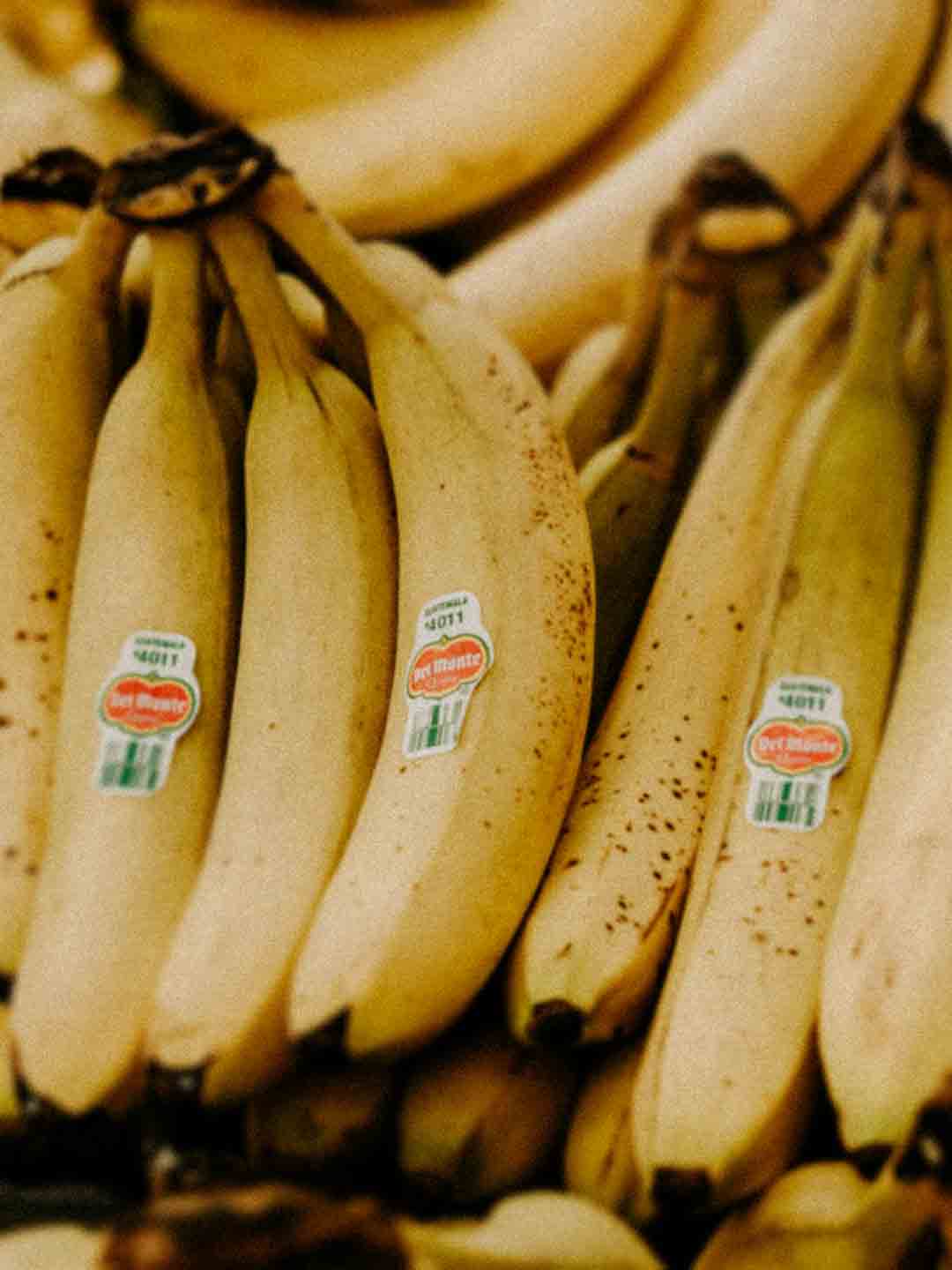
- Some laminated fruit stickers contain phthalates and synthetic inks not considered food-safe, but rarely listed anywhere.
- Among many others…
“Much of our food system depends on our not knowing much about it, beyond the price disclosed by the checkout scanner; cheapness and ignorance are mutually reinforcing… The more knowledge people have about the way their food is produced, the more likely it is that their values–and not just “value”–will inform their purchasing decisions.”
— Michael Pollan, The Omnivore’s Dilemma: A Natural History of Four Meal
Modern food doesn’t just travel through warehouses.
It traverses a chemical maze.
We shop based on expiration dates or logos.
Rarely do we think about how our packaging could be reshaping our hormones or nervous systems.
This lack of visibility is not oversight: it’s structure.
You can’t opt out completely. But you can start seeing.
This isn’t about fear.
It’s about returning to attention.
It’s about seeing food as part of a living system, not a sterile product.
We are not machines.
And yet the food we consume, the packaging it’s stored in, the surfaces it touches
is often designed with industrial logic, not human rhythm.
To protect our health, we must move toward sourcing that honors life, not just shelf life.
And toward daily gestures that invite slowness, touch, and presence back to the table.
We’ll guide you in the second half of this article.
But for now – pause.
Ask yourself:
What do I eat that I don’t see?
What touches my food before I do?
You might find that real nourishment begins not with what we add, but what we remove.
The Conscious Shopper’s Checklist.
Practical, sensory-aware tips for safer, more ethical grocery habits
- Read the full ingredient list—ignore marketing claims on the front.
- Avoid vague terms like natural flavor, spices, or proprietary blend.
- Look for simple ingredient lists (ideally fewer than 7 items).
- Choose packaging made of glass, stainless steel, or paper over plastic.
- Avoid “BPA-free” plastics unless the material is clearly identified.
- Stay away from brightly colored plastic packaging—may contain heavy metals.
- Avoid black plastics—they often contain recycled electronics.
- Look for country-of-origin and sourcing transparency.
- Choose organic for pesticide-heavy produce (e.g., apples, strawberries).
- Use barcode transparency apps (Yuka, Open Food Facts).
- Avoid ultra-processed foods with gums, thickeners, and lab-made fiber.
- Check for added sugars or artificial sweeteners—even in savoury foods.
- Inspect salt content—many “healthy” items are sodium-heavy.
- Be wary of “low-fat” items—they often replace fat with sugar or starches.
- Choose fermented or sprouted options when available.
- Smell packaging—chemical off-gassing is a red flag.
- Support brands with direct farmer relationships.
- Prefer packaging clearly marked recyclable or compostable.
- Avoid multi-layer packaging, often not recyclable.
- Don’t heat food in plastic containers (soups, ready meals).
- Be cautious with shiny or coated frozen packaging.
- Use bulk/refill stores where possible.
- Look for “no additives” or “transparent sourcing” seals.
- Avoid overly colorful or artificially “grilled” foods.
- Choose whole food forms: whole oats > instant oatmeal.
- Notice trademarked or branded ingredients—often synthetic blends.
- Prefer seasonal foods to reduce chemical preservation.
- Ask: Could I make this at home with 5 ingredients?
- Choose local brands when available.
- Freeze your own leftovers in glass jars instead of buying prepackaged.
- Decode your food. Explore the Flavour Label Decoder.
This is not about fear or shame. It’s about waking up.
About seeing the invisible systems that shape we consume.
Our intestines, our skin, our moods all register what we take in.
Before you panic:
Your body holds memory, and it can heal, if given the chance.
For now, pause.
Look at your plate.
Question what touched your food before you did.
Because true nourishment begins not just with what’s on the label, but with what’s off it.

Simple steps for safer eating and lower chemical exposure
01: Choose glass or stainless steel, especially for heating or storing meals. Plastic, even “safe” kinds, can leach hormone-disrupting chemicals when heated or reused.
- Switch your base kit. Keep a few glass containers with airtight lids and one or two stainless steel lunch boxes.
- For soups & liquids use a wide-mouth glass jar or stainless steel thermos instead of plastic bottles.
- Batch cooking tip: transfer hot meals straight into glass or steel—never let them cool inside plastic pans or takeaway tubs.
- On-the-go. Wrap bread or sandwiches in beeswax wraps or parchment paper inside your bag, it avoids sweating and plastic flavour.
- Store snacks like nuts or dried fruit in mini glass jars: portable and non-reactive.
- For picnics or travel, choose lightweight titanium cutlery to avoid disposable plastics.
02: Avoid steaming or microwaving in plastic. Heat increases chemical migration, choose ceramic or stainless alternatives.
- For reheating: always move leftovers from supermarket trays or takeout tubs into a ceramic bowl or plate before microwaving.
- For steaming vegetables: use a bamboo steamer or stainless insert instead of plastic microwave steamers.
- Pro tip: if you must reheat in a hurry, cover with a ceramic plate or an inverted bowl instead of cling film.
- Long-term swap: keep one “microwave-safe” glass jug or container just for soups, sauces, and beverages. Easy to rinse, no leaching.
- For frozen meals, defrost in the fridge overnight in glass instead of microwaving in the original plastic packaging.
03: Discard low-quality containers. If a container feels greasy, or warps when heated, assume it’s shedding unwanted compounds.
- Signs to watch. Discoloration, sticky texture even when clean, cracks, or a lingering chemical smell.
- Kitchen audit. Once every 3 months, empty your cupboards and check containers against these signs.
- Disposal tip. Don’t donate unsafe plastics, they’ll just harm someone else. Recycle or discard responsibly.
- Upgrade. Replace with heat-proof glass, stainless, or unglazed ceramic for long-term use.
- Avoid “recycling code 3” (PVC) and “recycling code 7” (other plastics, often containing BPA).
04: Use cloth produce bags instead of plastic. Use cloth produce bags instead of plastic. Wash thoroughly often: you never know what residue remains.
- Choose organic cotton or hemp bags, they last for years if washed regularly.
- Weekly wash. Cold or warm cycle, fragrance-free detergent. Air dry to keep fibers strong.
- Wrap leafy greens with a clean tea towel or paper before putting in the fridge to absorb moisture and extend freshness.
- Pro tip! Keep a few spare bags in your backpack or car so you’re never caught without them at the market.
- Assign different colored bags for different produce types (greens, fruit, root vegetables) for easy unpacking.
05: Look for safer material certifications. Labels like “PFAS-free verified” or “BPA/BPS-free tested” on glass, aluminum, or ceramic containers increase your confidence.
- Key labels to know: “BPA-free” or “BPS-free” (bisphenol-free) / “PFAS-free” (no perfluorinated chemicals) / “Food grade stainless steel” (type 304 or 18/8)
- Check manufacturer websites for testing reports. Reputable brands will publish results.
- When in doubt, buy from brands specializing in baby or hospital-use containers where standards are often stricter.
- Avoid “unknown origin” cookware or storage items, especially cheap non-stick or decorative ceramics with no safety label.
Tools & Apps to help you make safer choices while shopping
| Yuka | Scores food & cosmetics. Highlights additives, palm oil, ultra-processing. Covers Spain, France, internationally. | iOS, Android |
| Open Food Facts | Crowdsourced global database with ingredients and additives. Offers Nutri-Score & Eco-Score. | Web, Android, iOS |
| Olive Scanner | Focused on family health and ingredient risks. Emphasizes metabolic and nervous system impacts. | iOS, Android |
| Food-E | Scans barcode, highlights food additives, nutritional issues. Good for identifying artificial flavors. | Web, Android, iOS |
| Think Dirty (for cosmetics) | Great for cleaning pantry/cosmetic mapping, overlap with ingredients used in packaged foods. | Android, iOS |



Safer food is much more than chemicals and labels. It’s what happens when we sit down together.
Against a system that hides its ingredients and rushes us past the act of eating, choose to slow down.
Choose glass over plastic, season over convenience, presence over screens. A meal cooked with care, served without toxins, and shared with people who matter becomes its own kind of protection. In that slowness, we safeguard not just our bodies, but the bonds that make us human.
This is the true meaning of nourishment: caring for yourself, and for those at your table.
To explore:
Chemical Migration from Polyethylene
Thousands of Chemicals from Packaging in Human Bodies
Breast Carcinogens in Everyday Packaging
PFAS: Forever Chemicals in FCMs
Chemical Migration Influenced by Temperature & Food Type
Microplastics From Glass Caps, Not Just Plastic Bottles
Plastic Containers & Heart Health
Global Plastic Chemical Review (Umbrella Study)
Endocrine Disruptors Are More Prevalent Than You Think
Health-Warning from Dr. Swan
Why this matters?
These studies collectively reinforce that packaging is not just inert wrapping, it’s a vehicle for chemical exposure that can challenge our health, often in ways we can’t see or taste. From plastics to paperboard, bonds to liners, every layer can accelerate migration, especially when heated, stored long, or lined with chemical treatments.
You’re not meant to decode chemical names just to eat lunch. You shouldn’t need a degree in toxicology to feel safe feeding your child. But we areliving in a system where food is engineered, not grown, and packaging often hides more than it reveals.
And yet, knowledge is a tool.
Not to create fear, but to return to clarity.
Once you start noticing, you can begin choosing. You can build new rhythms.
Not perfect ones. Not performative. But conscious ones.
Small rituals. Trusted sources. Slower meals.
Refusing to numb your senses in the name of speed or convenience.
Even if the system profits from your disconnection, you don’t have to stay disconnected.
We can’t change the whole food industry overnight. But we can opt out, bite by bite, from the invisibility it relies on.
We can demand transparency. Support local. Choose whole.
We can ask different questions. Not “how cheap is this?” but “what does this nourish?”
This isn’t about clean eating perfection. It’s about self-trust.
And that starts with knowing what’s on your plate.
You don’t need to eat perfectly.
You just need to eat consciously.

